Conference Keynotes
Conference Guest Keynotes (Alphabetical Order)

Prof. Ahmed Ihab Fahmy
Egypt
Dr. Fahmy is Professor of Human Genetics & Molecular Medicine. Vice Dean for Research & Graduate Studies, School of Medicine, Newgiza University. and Director of the Health Sciences Research Center (HSRC), Newgiza University.
Read More / Less
He obtained his Medical Degree (MB BCh) from Ain Shams University, Cairo, Egypt. He worked at the Max-Delbrueck-Center for Molecular Medicine and obtained his medical training and PhD in Molecular Medicine from the Charite’ University Medicine, Berlin, Germany. He worked as a postdoctoral fellow at the Julia McFarlane Diabetes Research Centre, Medical School, University of Calgary, Canada and as an Associate Professor at the German University in Cairo (GUC) and Adjunct Faculty at the American University in Cairo (AUC). and a visiting Professor at Ruprecht-Karls-Universität Heidelberg in Germany.
Dr Fahmy’s research focuses on the role of non-coding transcriptome in liver diseases. He is a member of the Egyptian-Reference-Genome Committee and was awarded the State Encouragement Award and the Georg-Forster Alexander Von Humboldt fellowship from the Alexander Von Humboldt Foundation, Germany.
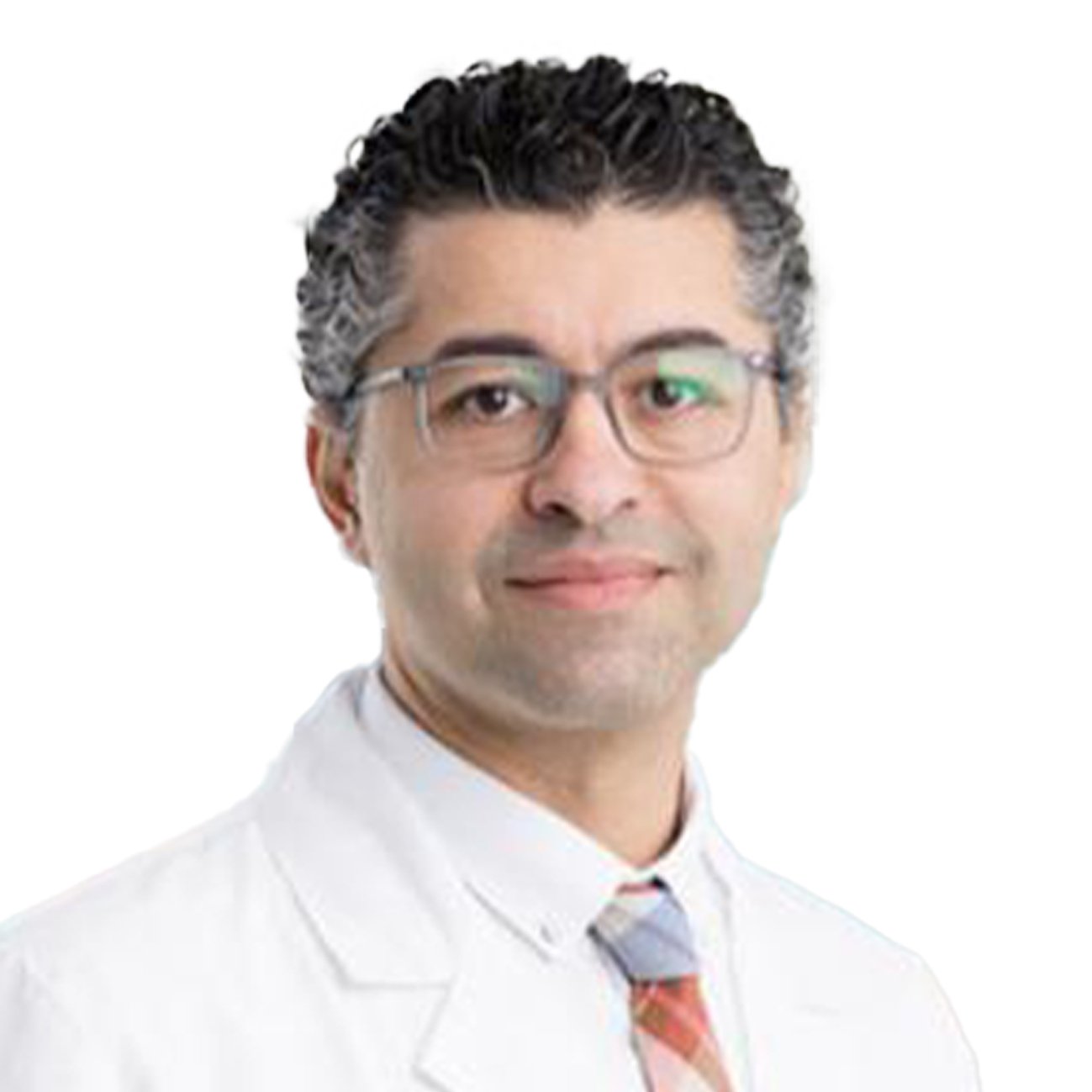
Prof. Ahmed M. Torky
Egypt / USA
Director of Pediatric Endocrinology and Diabetes Division, Southern Illinois University, USA.
American Board of Pediatrics – Pediatric endocrinology certified
Read More / Less
Associate Professor of Pediatrics, Southern Illinois University, USA.
• Membership of the Pediatric Endocrine Society
• Membership of the Endocrine Society
• Membership of the National Lipid Association

Dr. Anu Bashamboo
France
Dr. Anu Bashamboo is a senior group leader in the Human Developmental Genetics Unit at the Institut Pasteur. Her groundbreaking research has uncovered fundamental molecular mechanisms that regulate cell fate decisions during human gonadal development.
Read More / Less
Using cutting-edge genomic tools, her group has identified the genetic causes of several human urogenital disorders and forms of infertility. She is also at the forefront of developing innovative human gonadal organoid models.Among her notable achievements, Dr. Bashamboo developed the first human testis organoid that faithfully recapitulates in vivo testicular development. This pioneering model enables the functional study of patient-specific genetic variants linked to testicular anomalies and represents a significant advance in translational research in reproductive biology. Building on this success, she is now leading efforts to develop new human ovary organoid models.
She is currently a co ordinator or partner in several national projects to understand the genetic networks controlling human gonad development, the genetics causes of DSD and develop human gonad organoids. In recognition of her contributions to reproductive biology, she has received several prestigious national and international awards, including the Royan International Award for Reproductive Genetics, the Prix Jayle for Reproductive Biology (French Academy of Sciences) and the Henning Anderson Prize (ESPE). Dr. Bashamboo has served on the advisory board of the I-DSD International Registry and the French Parliamentary Office for the Evaluation of Scientific and Technological Choices (OPECST). She is also the Editor-in-Chief of Sexual Development (Karger).

Prof. Babajan Banaganapalli
KSA
Prof. Babajan Banaganapalli is an Ass. Prof. in the Department of Genetic Medicine, Faculty of Medicine, King Abdulaziz University, Saudi Arabia. With over thirteen years of experience in bioinformatics, artificial intelligence, and genomic medicine
Read More / Less
His research integrates multi-omics data and predictive models to investigate complex diseases such as inflammatory bowel disease, celiac disease, cancer, and metabolic disorders.
He has made significant contributions in molecular modeling, biomarker discovery, and AI-driven drug development, and more recently has advanced the application of Generative AI (GenAI) and Large Language Models (LLMs) to clinical bioinformatics. These approaches support accelerated genomic interpretation and the development of precision medicine tools.
Dr. Banaganapalli has authored more than 100 publications and book chapters, with over 1,000 citations, and co-edited the Essentials of Bioinformatics series (Springer). He serves on editorial boards of international journals and frequently delivers invited lectures at global conferences.
His mentorship of graduate students and recognition with awards, including the Bioinformatics Young Scientist Award (2018), reflect his standing as a leader in computational genomics and AI applications in medicine.

Dr. Caroline Collins
Former Global Medical Director Chiesi
Caroline Collins has more than thirty years in corporate, charity and academic healthcare. She was most recently Global Medical Director for Dermatology with Chiesi Global Rare Diseases.
Read More / Less
She has more than ten years’ experience of working in the field of epidermolysis bullosa having previously been Research Director at the charity DEBRA organizing the first world congress in EB in 2020. She will be continuing her work moving forwards with DEBRA research as a consultant.
She qualified in immunology and is a professional member of the Institute of Clinical Research and an elected member of the Society of Biology. Over the years of her career she has worked in many areas of dermatology and oncology.

Prof. Ashraf A. El-Harouni
Egypt / Saudi Arabia
Professor of Clinical Genetics, Consultant of Neurogenetics & Inherited Neuromuscular Disorders, Clinical Genetics Department, Division of Human Genetics and Genome Research, National Research Center, Cairo
Read More / Less
- Professor of Medical Genetics, Consultant of Neurogenetics, Department of Genetic Medicine, Faculty of Medicine, King Abdulaziz University, Kingdom of Saudi Arabia, 2010 till now.
- Deputy Chairman of Department of Genetics Medicine, Faculty of Medicine, King Abdul Aziz University, Jeddah, Saudi Arabia, 2010 till January 2021.
- Principle investigator of the project of New Horizons in the Diagnosis of (Duchenne/Becker) Muscular Dystrophies. Granted by The National Research Center, Cairo, Egypt
- Member of The Middle East Genetics Association of America (MEGA).
- Member of The Egyptian Society of Child Neuro-Psychiatry (ESCNP).

Dr. Cristina Skrypnyk
Bahrain
Cristina Skrypnyk is a distinguished Senior Consultant Medical Geneticist at Arabian Gulf University, Center of Princess Al-Jawhara Manama, Bahrain. with extensive expertise in the evaluation, diagnosis, testing, and management of genetic and genomic disorders.
Read More / Less
She is holding a Ph.D. in Medical Genetics and European Board certification in Medical Genetics and Genomics, she has undergone advanced international postgraduate training in cytogenetics, molecular cytogenetics, genetic and genomic counseling, nutrigenomics, pharmacogenomics, and functional medicine. A member of several prestigious international genetic societies, Dr. Skrypnyk also serves as an expert member of the WHO Collaborative Global Network for Rare Disorders. She is a strong advocate for ethical medical practice and is deeply committed to raising public awareness about genetic knowledge. Her approach emphasizes personalized, integrative genomic medicine to enhance health, prevent disease, and promote quality aging. Dr. Skrypnyk is actively engaged in medical genetics research and is a dedicated volunteer supporting international organizations for genetic disorder patients. She is the founder of the Rare Disease Movement in Bahrain, which has spearheaded public awareness campaigns each February since 2013. With a profound dedication to education, Dr. Skrypnyk has extensive experience in undergraduate and postgraduate medical training and empowers students to achieve their goals, build meaningful careers, and contribute to transforming their communities. Her unwavering commitment to advancing genetics, serving patients, and fostering education makes her a distinguished figure in the field of medical genetics and genomics.

Dima Darwish
Qatar
A dedicated expert in scientific literacy, specializing in healthcare, research, and development. Currently, she leads the Genomics Education department at QPHI, working to advance the understanding of precision health.
Read More / Less
Her work focuses on knowledge transfer through education, creating programs tailored for a wide range of stakeholders, including healthcare professionals, university students, and K-12 students. As part of her efforts to close global knowledge gaps in precision health, Darwish launched “Tanawwo”, a precision health and genomics networking platform, designed to fill critical gaps in precision health knowledge and provide practical, up-to-date insights into genomics and its application in clinical settings. By offering tailored learning experiences, she ensures healthcare professionals are equipped with the latest tools and knowledge to implement precision health strategies effectively in their practices.
Darwish is also passionate about building the next generation of scientists. She developed mentorship and internship programs that provide hands-on experience and career guidance for aspiring researchers. Through these initiatives, she helps young scientists gain real-world experience, fostering their professional growth and supporting them as they pursue careers in genomics and related fields. With a B.Sc. in Genetics and an M.Sc. in Biotechnology, Darwish combines academic rigor with practical expertise.
Her work also extends to the creation of The Genome Heroes, an innovative game application designed to engage and educate users about genomics in a fun and interactive way.

Prof. Dorra H’MIDA
Tunisia
Professor of Genetics at the Faculty of Medicine, University of Sousse, and co-heads the Molecular Genetics Unit at Farhat Hached University Hospital. She holds a medical degree from Sousse and a PhD from the University of Strasbourg
Read More / Less
She is the President of Tunisian Society of Human Genetics
Her clinical and research work focuses on genetic diagnosis, counseling, oncogenetics, and developmental disorders. Nationally, Dr. H’MIDA serves as the coordinator for Orphanet Tunisia and leads the “DINS Socio-Genomics” research project. Committed to advancing human genomics in North Africa, she is the founding president of the Tunisian Society of Human Genomics (TSHG) and coordinates the postgraduate certificate in oncogenetics in Sousse.
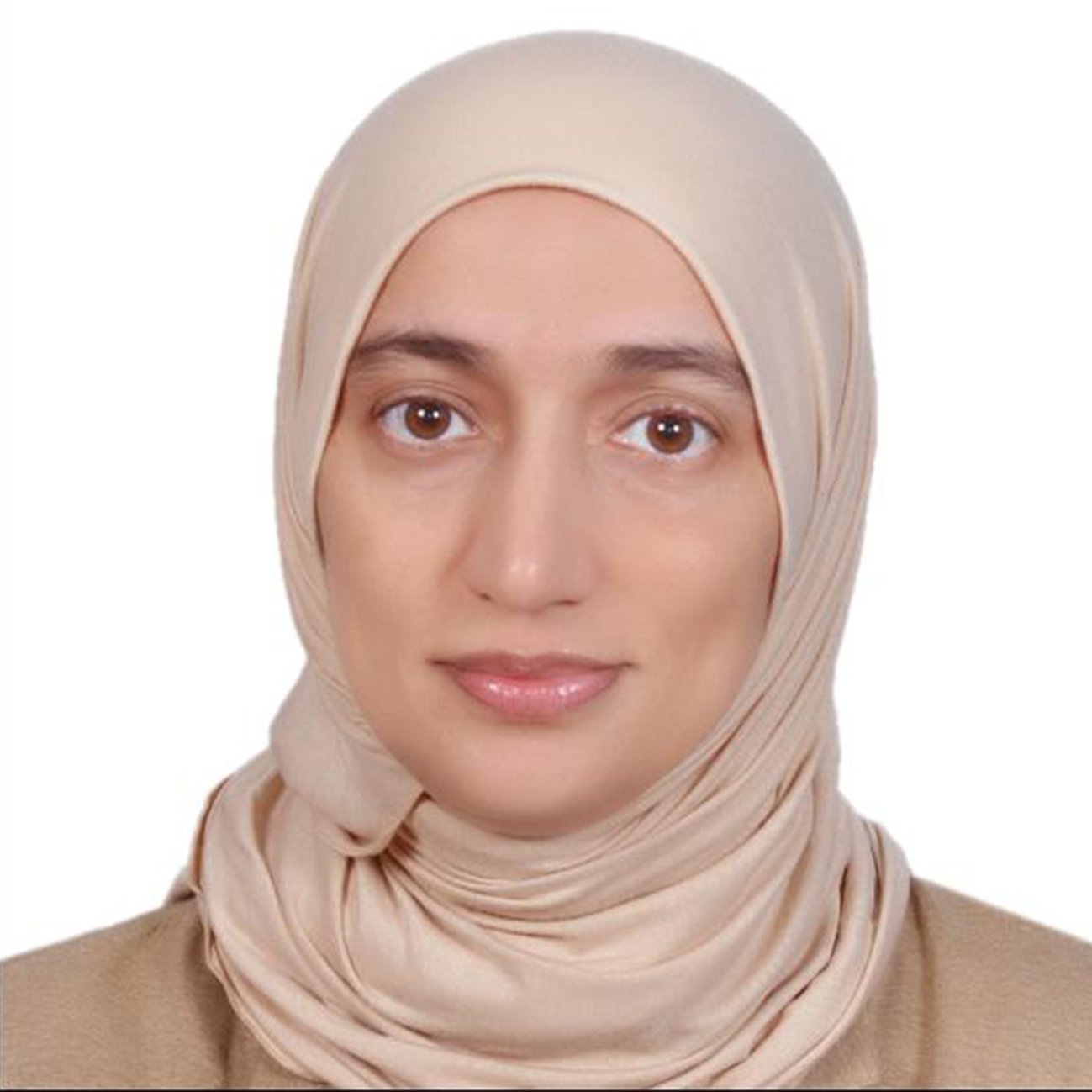
Prof. Fathiya Al Murshedi
Oman
Fathiya Al Murshedi is a senior consultant clinical and biochemical geneticist at the Genetic and Developmental Medicine Clinic in Sultan Qaboos University Hospital, University Medical City, Muscat, Oman.
Read More / Less
She completed her residency training in Medical Genetics at the Hospital for Sick Children, University of Toronto, Canada followed by fellowship training in Clinical Biochemical Genetics at the Sick Children’s Hospital as well. Her research during training period was in in the field of DNA repair and damage response for which she obtained a master degree in molecular genetics as part of the Clinician Investigator Program (CIP) at the University of Toronto, Canada. Her current research interest is in the field of biochemical genetics mainly disease manifestations and treatment outcomes.
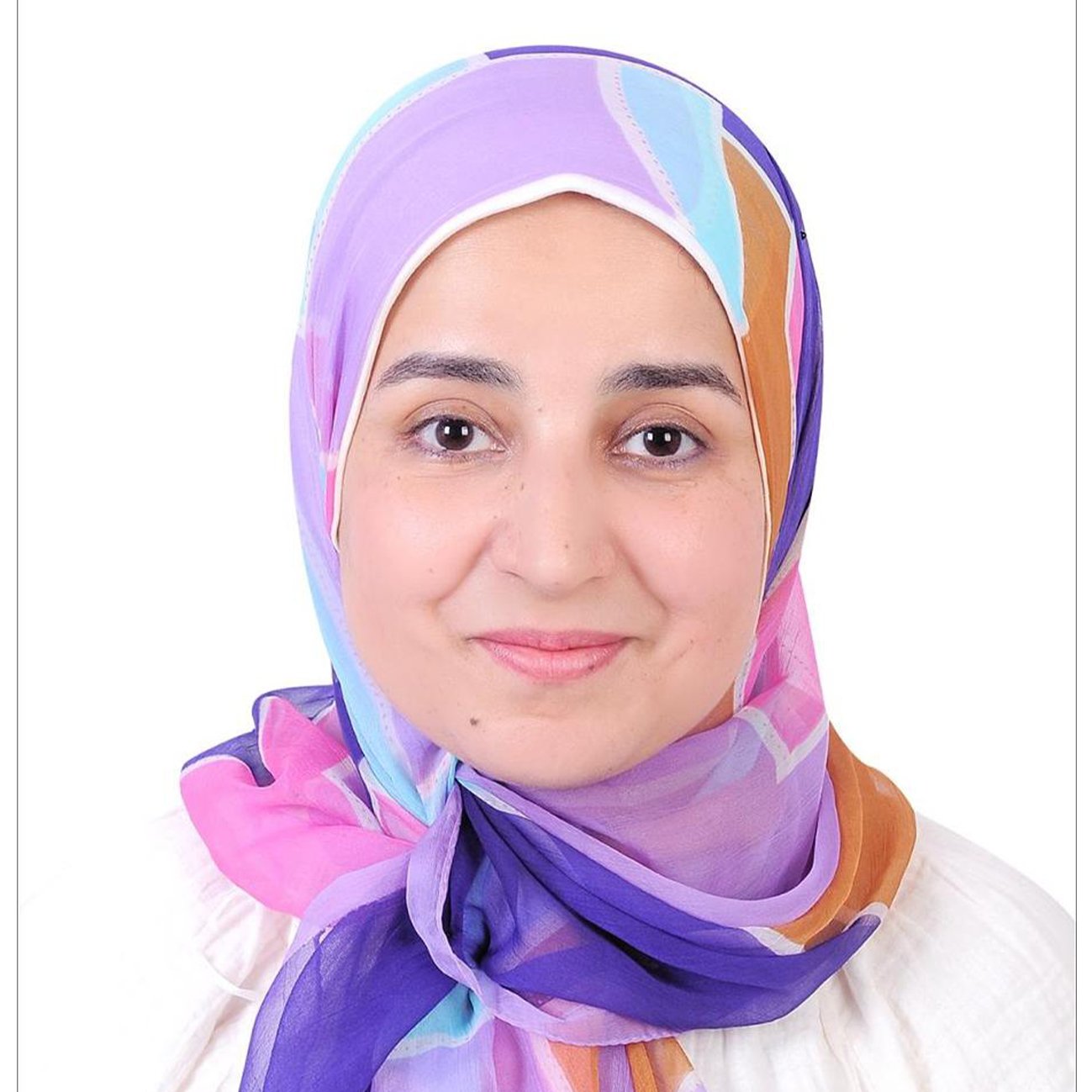
Prof. Ghada Ahmed Otaify
Egypt / Oman
Professor of Clinical Genetics, Human Genetics and Genome Research Institute, National Research Centre, Egypt
Clinical Genetics Consultant, in Sultan Qaboos University hospital, Oman
Read More / Less
Dr. Ghada started her career in Clinical Genetics Department, Human Genetics and Genome Research Institute, National Research Centre in 2003, completed her Master and PhD programs, she had multiple trainings in USA and Europe. She moved to Oman in September 2021, where she is working currently as Clinical Genetics consultant at Sultan Qaboos University Hospital where she is involved in patient care and teaching of undergraduate medical students and postgraduate residency and Genetics fellowship programs. She has much interest in dysmorphology and skeletal dysplasia. She has 49 publications and many national awards.
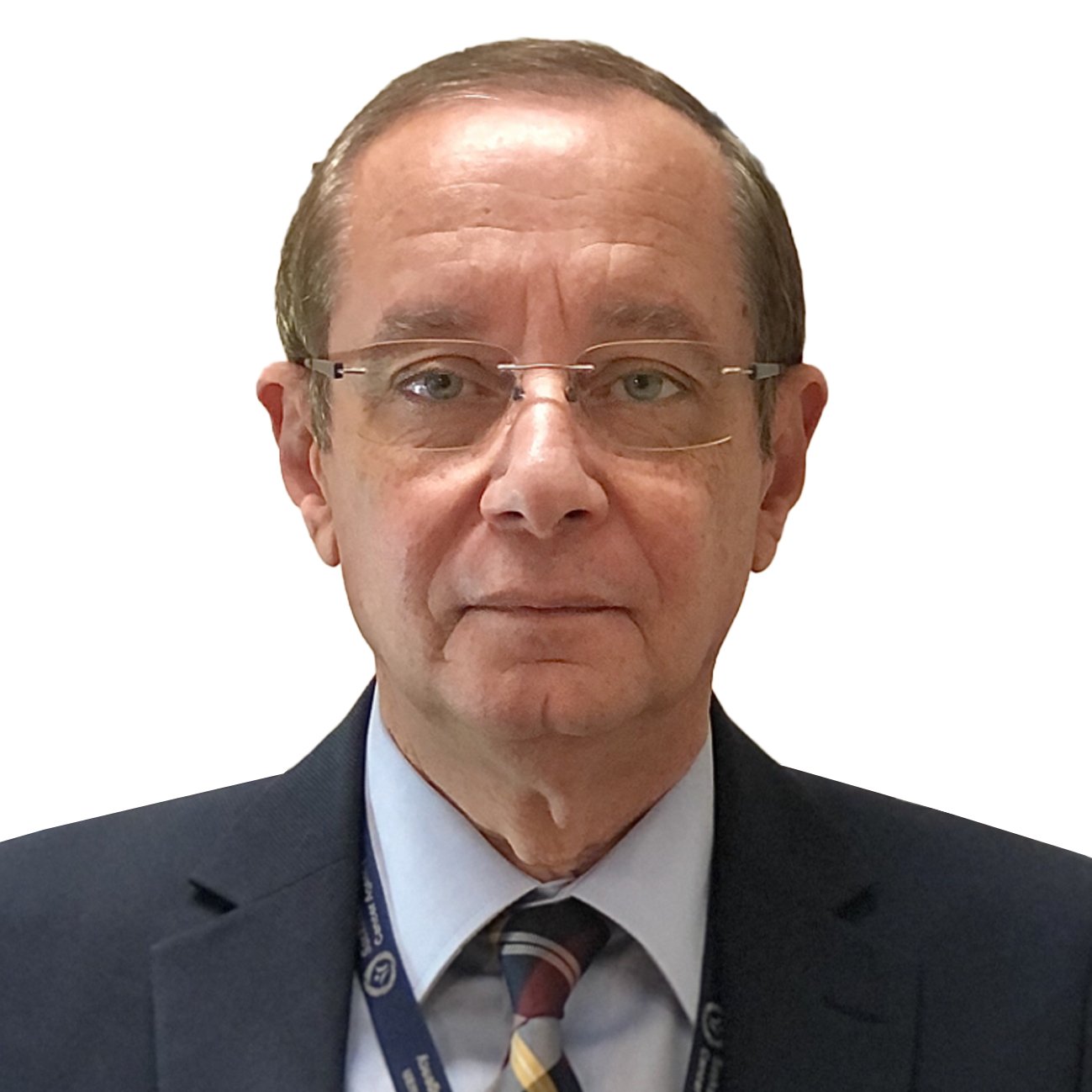
Prof. Hadi Goubran Messiha
Egypt / UK
He obtained his M.B.B.Ch. from Cairo University, Egypt, and earned a Master’s degree, followed by an M.D. (Ph.D.) in internal medicine from Cairo university. Trained as a hematologist at St. Thomas’ Hospital in the UK. Fellow of the Royal College of Physicians of Edinburgh (FRCP Edin)
Read More / Less
A member and then Fellow of the American College of Physicians (FACP), and a Fellow of the Royal Society of Medicine (UK).
Worked as Professor of Hematology at Cairo University, Egypt, before moving to Canada in 2010
Joined the Saskatoon Cancer Centre as a hematologist and was appointed as Professor of Hematology and Oncology at the College of Medicine of the University of Saskatchewan and the College of Graduate and Postdoctoral Studies.
Served as regional Adviser for the Royal College of Physicians of Edinburgh for Egypt, then Eastern Canada until 2024.
Co-authored Davidson’s clinical cases and served on the international advisory board for the textbook; also edited three books, Precision Anticoagulation Medicine, Paraproteinemia and Related Disorder, and the Complement System, for Springer Nature; and served as a reviewer and editorial member for several hematology journals.
Published about 75 peer-reviewed articles and reviews in the last five years, plus a few book chapters.
Research interests include blood-derived biomaterials, viral inactivation of plasma (6 patents), platelet cancer interactions, and platelet microparticles and platelet proteomics.

Dr. Houcemeddine Othman
Tunisia
Dr. Houcemeddine Othman is an Assistant Professor of Bioinformatics based in the Department of Genetics at Farhat Hached University Hospital, with a co-affiliation at the University of the Witwatersrand in South Africa.
Read More / Less
His research spans pharmacogenomics, clinical bioinformatics, biomedical text mining, biomolecular modeling, and the development of computational tools. He leads the AGORA-TM project and the Tunisian Druggable Genome project. He is also an advocate for reproducible research and open data sharing in bioinformatics and genomics. Beyond his research activities, Dr. Othman serves as a productivity coach and mentor, supporting researchers across Africa in developing effective and sustainable research practices.

Prof. Kenneth McElreavey
France
Professor McElreavey is a globally recognized leader in human reproductive and population genetics, with over 35 years of research in the field. He currently heads the Human Developmental Biology Unit at the Institute Pasteur in Paris.
Read More / Less
He has authored more than 250 scientific publications in human reproductive biology and population genetics.
Among his numerous scientific contributions, his team provided key genetic evidence supporting the “Out of Africa” model of modern human origins and elucidated the migration patterns that led to the peopling of Asia. His group has identified and characterised more than 20 novel genes involved in human gonadal development and infertility, and proposed genetic models to explain the molecular mechanisms underpinning human gonad formation.
Professor McElreavey has received numerous awards and honors in recognition of his scientific achievements. These include the Prix Evelyne Barre for Fertility Research, the Grand Prix from the French National Academy of Medicine, and the Henning Andersen Prize in Pediatric Endocrinology. He is actively involved in several international expert panels and advisory boards, including those for the Royal College of Obstetricians and Gynaecologists (UK), European Science Foundation, and the Finnish Academy of Sciences.

Prof. Omnia Fathy Elrashidy
Egypt
Professor of Pediatric Neurology and Neurodisability, Ain Shams University. ILAE Dietary Task Force Member. Master’s degree in Pediatric Neurology, University of Tor Vergita, Rome, Italy
Read More / Less
Master’s degree in Neurological Disabilities, University of Sheffield, England.
Member of the International, European, English, and Egyptian Society of Pediatric Neurology.
Member of the International Committee for the Treatment of Epilepsy with the Ketogenic Diet.

Prof. Mahmoud M. Sakr
Egypt
Mahmoud M. Sakr was awarded a professorship in Plant Biotechnology in 2006 and has over two decades of cumulative experience in shaping and managing Egypt’s high-level science, technology, and innovation policies.
Read More / Less
He got his PhD from Tanta University, Egypt, in 1995 (with experimental work carried out at Pavia University, Italy, through fellowships from the Italian Ministry of Foreign Affairs and ICGEB). He received the State Encouragement Award in Science and Technology, the National Research Center Award for Scientific Encouragement and Excellence in Biotechnology, and the award of the International Council for Small Businesses (ICSB). Sakr has over 140 scientific publications to his name in the field of biotechnology and STI policies and management, has authored and co-authored 5 books and two encyclopedias (Egyptian Medicinal Plants and Egyptian Traditional Foods), and has supervised 35 master’s and PhD students from Egypt, Sudan, and Algeria. Sakr has occupied many high-level STI positions at both national and international levels. Notable positions include:
- Former President, Academy of Scientific Research and Technology (ASRT), Egypt
- Former Science and Cultural Counsellor and Head of the Egyptian Education Mission, Embassy of Egypt in Tokyo, Japan
- Former Executive Director, Science, Technology, and Development Fund (STDF), Egypt
- Former Vice President, ASRT, Egypt
- Former Dean, Institute of Genetic Engineering and Biotechnology, NRC, Egypt
- Former Secretary General, Arab Association of Biotechnology, Federation of Arab Scientific Research Council, Arab League
- Former Director, Center of Scientific Excellence (Road to Nobel Project), National Research Center, Egypt
- Co-chair of the Arab-German Young Academy (AGYA).
- Chairman of BOD, Arab Society of Genetic Engineering and Biotechnology
- Co-chair and plenipotentiary of Egypt in Joint Institute for Nuclear Research (JINR), Russia
- Editor-in-Chief, Journal of Genetic Engineering and Biotechnology, Elsevier
- Advisor of Banha National University for Research and Innovation

Prof. Mahmoud Bahgat
Egypt
Professor of Molecular and Immunological Infection Research, Supervisor General, the Central Laboratories Network and the Centers of Excellence, the National Research Centre. Scientific Consultant at Egypt Center for Research and Regenerative Medicine
Read More / Less
Head of the Science and Technology Cooperation Centre, the Academy of Scientific Research and Technology.
Mahmoud Bahgat was born in 23/7/1969 in Cairo. He received his B. Sc. and M. Sc. of Biochemistry from Ain Shams University in 1990 and 1996, respectively. In 1997 he received a DAAD fellowship that brought him to the School of Medicine, Heidelberg University where he was awarded his doctoral degree in 2001 in molecular and immunological infection research. He has been two times to the Department of Molecular Pathology at the University of California San Francisco as visiting young scientist and as a visiting senior scientist in 1995 and 2005, respectively. In 2008 he received an Alexander von Humboldt fellowship that is awarded to world-class internationally-recognized highly experienced researchers which brought him to the Helmholtz Center for Infection Research (HZI) in 2009 for a year and half. Later he was appointed at the HZI until 2015. During this period he succeeded to receive two successive research grants from the German Ministry of Education and Research (BMBF). At the National Research Centre (NRC) of Egypt Mahmoud Bahgat was appointed in 2006 as an Associate Professor and in 2011 as a Full Professor till present. There, he established in 2005 the Research Group Immunology and Infectious Diseases that evolved in 2015 to the Research Group Immune- and Bio-markers for Infection at the Center of Excellence for Advanced Sciences.

Prof. Marian Yousry
Egypt
Professor of Pediatric Neurology, Cairo University. Master in Neurometabolism, University of Barcelona. Head of pediatric Neurometabolic Unit, Children’s Hospital, Cairo University.
Read More / Less

Prof. Mohamed Hamed
Germany / Egypt
Prof. Mohamed Hamed is an Associate Professor of Biomedical Informatics and Computational Biology at the German University in Cairo (GUC) and leads the Integrative OMICs Analysis Group at Rostock University Medical Center, Germany.
Read More / Less
With prior industry experience directing computational biology in cancer immunology at a leading European pharmaceutical company, he combines academic and applied expertise. He is the director of the German-Egyptian partnership projects EG-CompBio and GED-PerMedAI, advancing computational biology capacity in the MENA region, and coordinates the German-Arab Research Network for Computational Life Science (GARN-CLS) to foster cross-regional collaboration. Dr. Hamed’s multidisciplinary background spans biomedical informatics, computer science, and high-throughput data analysis. His research interests include biomedical data science, computational immunology, radiogenomics, drug combination prediction, and AI-driven multi-omics analysis. He has received multiple fellowships and research grants from the German Academic Exchange Service (DAAD), reflecting his contributions to international scientific cooperation and advanced biomedical research.

Prof. Mohamed Salama
Egypt
Mohamed Salama obtained his Medical Degree in 1999 from Mansoura University. Through a GERSS – DAAD scholarship he performed part of his Ph.D. degree in Neurotoxicology in 2011 at Philipps University in Marburg, Germany.
Read More / Less
Mohamed’s collaborative research led to the establishment of the Egyptian Network for Neurodegenerative Disorders. Mohamed was selected as an SOT Global Senior Scholar in 2013 and Translational/bridging awardee in 2016. Through three large DAAD awarded funds (EGI-PD, GeneFINDER and EM-age) he was able to study determinants of aging-related morbidities like neurodegenerative diseases.
He was awarded by Parkinson’s and Movement Disorders Foundation (PMDF) for his continuing research in the field of neurodegeneration. Then through a Bartlett Fund for Critical Challenges from the AUC, Mohamed started an exposome project to evaluate the totality of environmental exposure in Parkinson’s disease.
Mohamed is a professor at the Institute of Global Health and Human Ecology and the director of the Master of Global Public Health (MPH) at the American University in Cairo (AUC) and an Atlantic Senior fellow for Equity in brain health at the Global Brain Health Institute (GBHI). Additionally, he is a member of the steering committee of the African Population Cohorts Consortium (APCC). Also, he is a member of the steering committee of the International Parkinson’s Disease Genome Consortium (IPDGC)- Africa.

Prof. Mostafa Elawady
Egypt
Professor of Molecular Genetics, National Research Center, Cairo Egypt 1991–Now.
Head of department of Human Genetics NRC 1995–1998
Read More / Less
Dean of GEBRI, Mubarak city for Scientific Research and Technological Applications (1998–2001)
President of Genetic Engineering and Biotechnology Division, NRC 2005–2008
Amid-east fellow of University of Texas, Southwestern Medical Center, Dallas, TX USA (1981–1982)
Belfer fellow of the Marion Bessin Liver Research Center, Albert Einstein College of Medicine, NY USA (1984–1990)
Rockefeller and NIH fellow of Laboratories for Reproductive Biology, School of Medicine Chapel Hill, NC USA (1990–1993)
165 articles, book chapters and review articles and 80 international presentations in Molecular Genetics
- Presidential Medal Class I – 2017
- State Nile Award in Advanced Technology – 2014

Dr. Muhammad Abaza
Egypt
Dr. Muhammad Abaza is a distinguished laser expert with nearly 20 years of pioneering clinical expertise in advanced high-power laser applications, cutting-edge photobiomodulation therapies, and laser-assisted regenerative techniques.
Read More / Less
Holding advanced degrees and international certifications in laser sciences, including an ongoing PhD and an MSc from Medical Applications Department, National Institute of Laser Enhanced Sciences (NILES), Cairo University, Mastership from Nice, and Fellowship from ILDMA.
Have performed thousands of laser-based dental procedures with a strong record of patient satisfaction and compliance. Beyond his clinical work, Dr. Abaza is a dedicated educator and
researcher. He is the Co-founder of Coursera Dental Institute (CDI), First local representative of ILDMA in Egypt, and Director of the Mastership in Orofacial Laserology. Dr. Abaza also serves as President of the Laser & Advanced Dentistry Association (LADA) and holds influential positions including Head of the NILES Dental Alumni Association, Head of the Cairenes Dentists Society, and Member of both the Scientific Committee of Cairo Dental Syndicate and the Foreign Affairs Committee of the General Dental Syndicate. Advocacy for evidence-based laser therapies in mainstream dentistry.

Prof. Musarrat Hasan
Pakistan
Ultrasound consultant and Director, Institute of Ultrasound Imaging Karachi.
Visiting Fellowship from Thomas Jefferson University Hospital.
Read More / Less
- Fellow, American Institute of ultrasound in Medicine.
- Co-opted councilor AFSUMB (Asian Federation of Societies of Ultrasound in Medicine & Biology).
- Chairman History and Archiving Committee (AFSUMB).
- Member Board of Governor Institute of Business Management.
- Former President Ultrasound Society of Pakistan.

Prof. Michael A. Patton
UK
Professor Michael Patton is Emeritus Professor of Medical Genetics at St Georges University in London and Emeritus Fellow at Green Templeton College in the University of Oxford. He was the Past President of the Medical Genetics Section at the Royal Society of Medicine
Read More / Less
He was appointed to St George’s in 1986 and was responsible for setting up and academic department and the South West Thames Regional Genetic Service which provides clinical and laboratory services for a population of 3 million in South West London, Surrey and West Sussex. In 2013 he moved to set up a Joint Venture between the global pathology company Sonic Healthcare and University College Hospital and the Royal Free Hospital as Group Medical Director. In 2019 he stepped down as Medical Director but remained as the Consultant Clinical Geneticist in the genetics lab.
He set up the Birth Defects Foundation UK (now Newlife Charity) which funded around 200 research projects and now is a leading provider of disability equipment for disabled children. He is currently Chairman for the Kennedy Trust for Rheumatological Research which is the primary funder for the Institute of Rheumatology in Oxford.
His research is primarily in the field of clinical genetics. He has led a research group that has investigated Noonan syndrome and was involved in the discovery of the causative gene PTPN11. He has also had a research interest in homozygosity mapping for autosomal recessive syndromes in consanguineous populations. This involved local projects in Oman, Kuwait and the Amish community in Ohio and the discovery of many new genes. He has published over 200 peer reviewed papers.
His medicolegal work has also involved some high profile cases including the successful defence of Angela Cannings and Trupti Patel who after the cot deaths of their children were accused of murder.
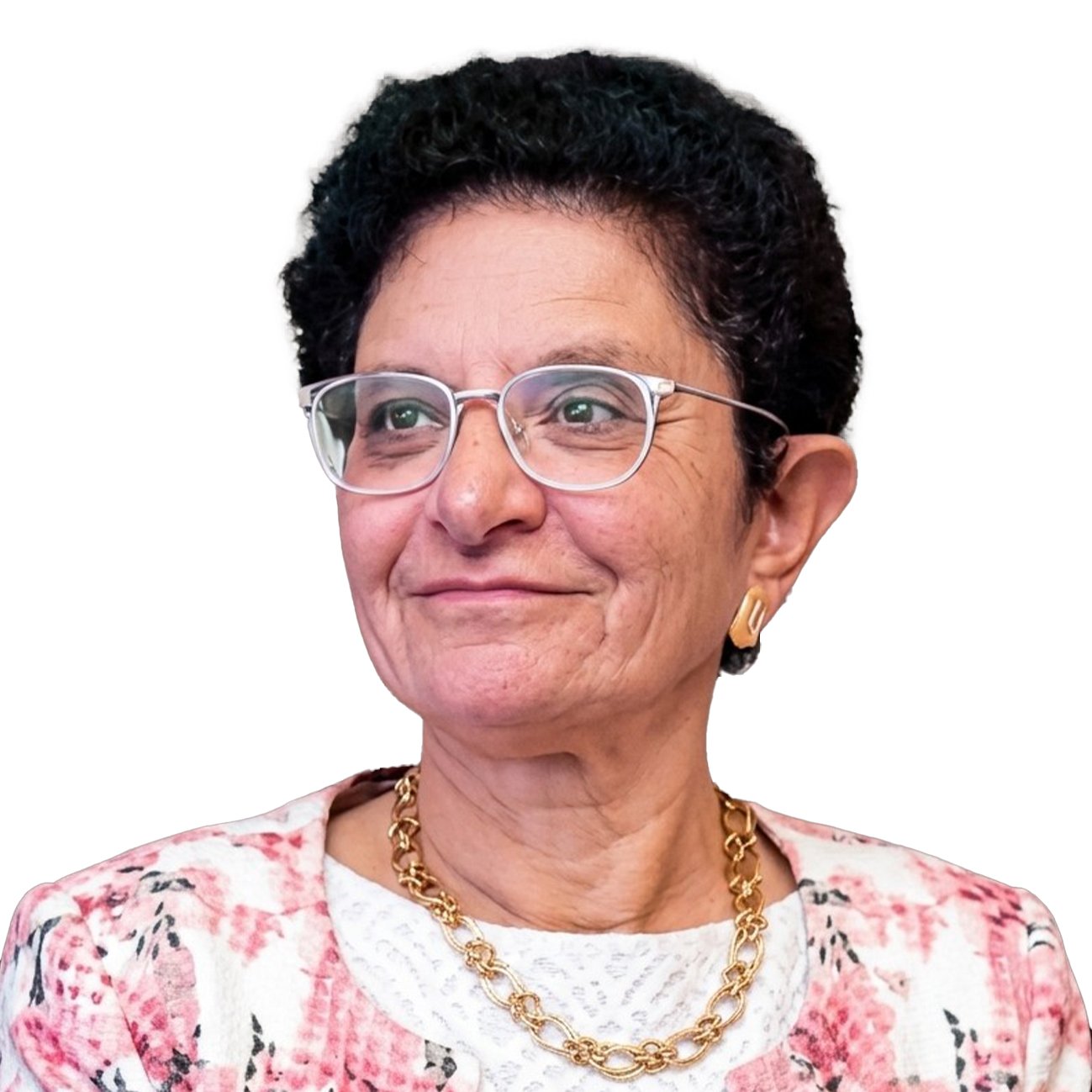
Prof. Mervat Mattar
Egypt
Prof. Mervat Mattar is a Professor of Clinical Hematology, Kasr Alaini Cairo University. President of the Egyptian Scientific Society of Blood Disorders. Member of the European Hematology Association.
Read More / Less
Professor Mattar, is working at, Internal Medicine Department, Clinical Hematology Unit, Cairo University, Egypt. Her international experience includes various programs, contributions and participation in different countries for diverse fields of study. Her research interests reflect in her wide range of publications in various national and international journals. Her specialties are in the field of Internal Medicine Clinical Research, Haemostasis, Thrombosis, Clinical Hematology.
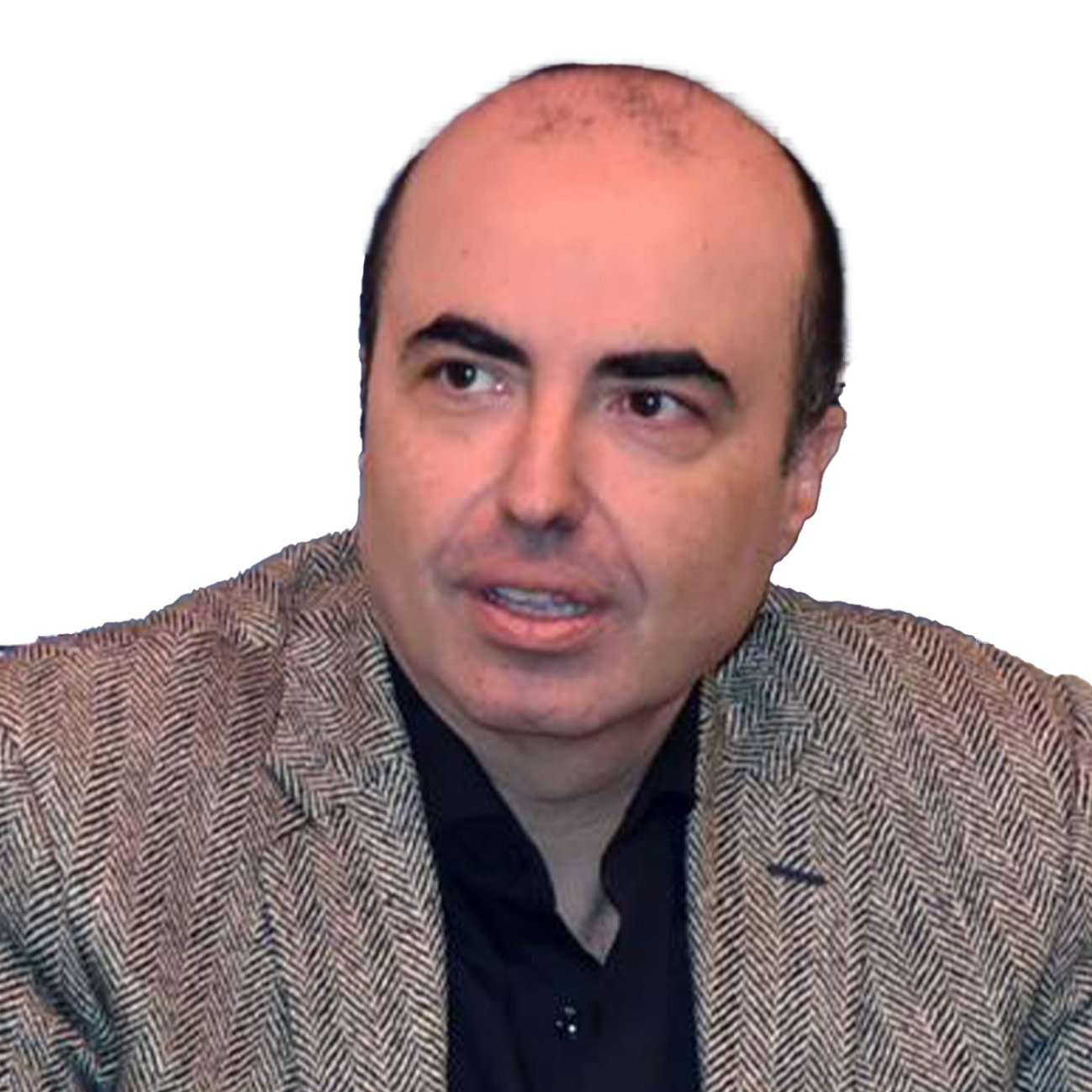
Prof. Mohamed Salama
Egypt
Mohamed is a professor at the American University in Cairo (AUC) and senior fellow for the Global Brain Health Institute (GBHI). Currently, he is leading the NIH funded, Egyptian Survey of Healthy Aging (AL-SEHA) to study Egyptian seniors to identify determinants of healthy aging.
Read More / Less
He established the Egyptian Network for Neurodegenerative Diseases (ENND) in 2013 and the Egyptian Dementia Registry in 2023 as platforms to study diseases determinants.
Currently, he is leading the NIH funded, Egyptian Survey of Healthy Aging (AL-SEHA) to study Egyptian seniors to identify determinants of healthy aging. Additionally, Funded by the Davos Alzheimer’s Collaborative (DAC), Dr. Salama is leading the North African Dementia Registry (NADR). He is also leading the Health and Wellbeing across Lifespan (HWLS) strategic research program within the African Populations Cohorts Consortium (APCC).
Most recently, Mohamed has been a steering committee member to serve the task for Brain Health in Africa. a pan-African initiative dedicated to advancing bold, coordinated action on brain health. and building on this, he is also a member of Nature Medicine Commission on Brain Health for Economic Resilience.
Mohamed’s work focuses on studying determinants that can affect brain health across lifespan. Applying this exposome holistic approach on longitudinal cohorts to study external exposure X internal body response that shape brain health. This approach will assure having real time indicators of environment body interactions that can affect brain functions and identify early predictors of brain damage that could appear earlier than clinical signs allowing for early intervention.
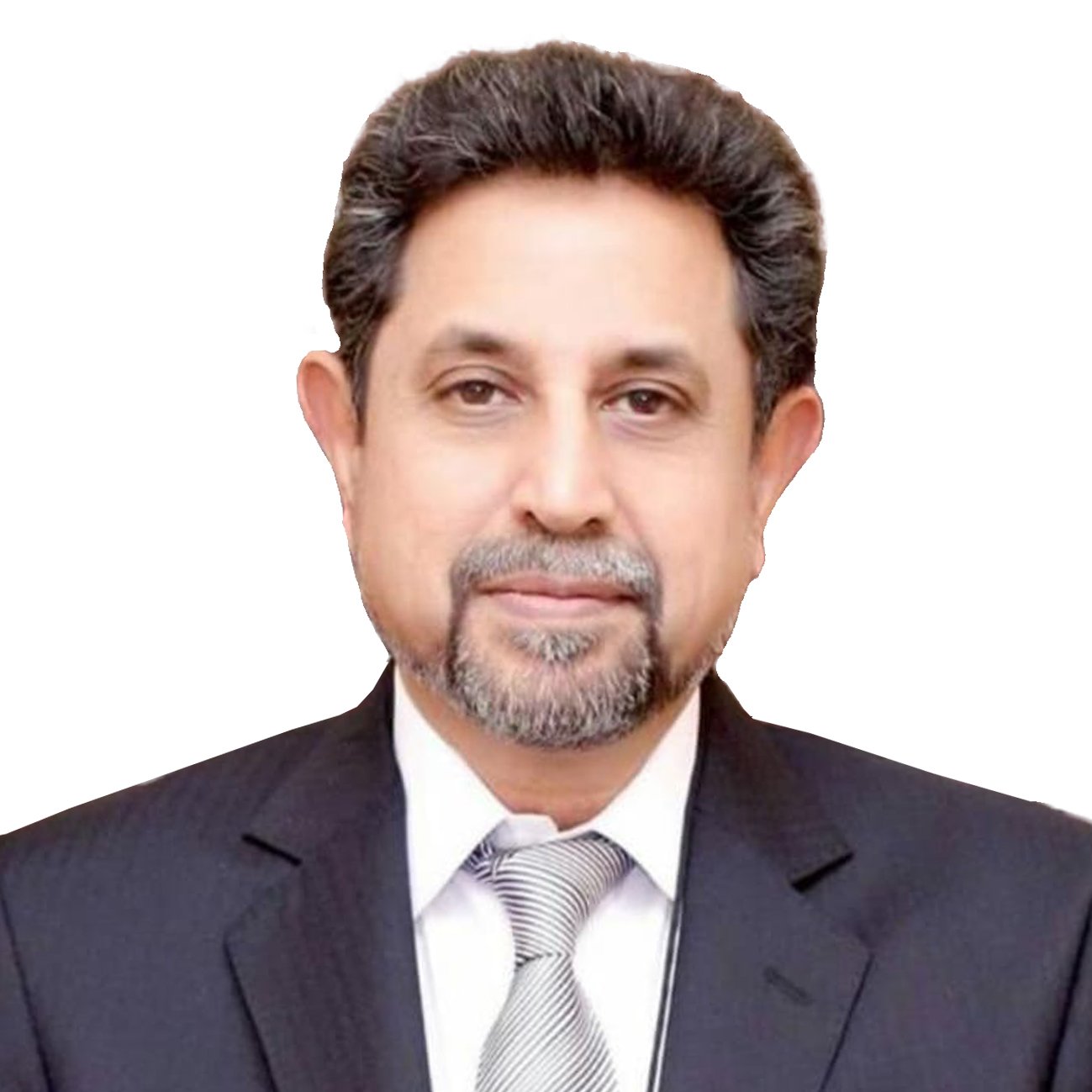
Dr. Muhammad Saulat Nawaz
Pakistan
Dr. Muhammad Saulat Nawaz is a senior radiologist and ultrasound specialist with over 30 years of experience in diagnostic imaging. He is Director of Medical Imaging at Nawaz Medicare Hospital, Faisalabad.
Read More / Less
- Medical Graduate: Punjab Medical College, Faisalabad
- Postgraduate Training in Radiology: Postgraduate Medical Institute (PMI), Lahore, with further postgraduate studies at the University of Lahore
- Master’s in Medical Imaging: University of Sydney, Australia
- International Training: Advanced training and clinical exposure in ultrasound and diagnostic imaging in the UK, France, USA, and Australia
- Expertise: Obstetric and gynecologic ultrasound, fetal imaging, Doppler, and hepatobiliary/liver imaging
- Founder Member & Editor, Newsletter: Ultrasound Society of Pakistan
- Former President: Ultrasound Society of Pakistan and Pakistan Medical Association, Faisalabad
- Faculty Member: Institute of Ultrasound Imaging, Karachi, Pakistan
- Academic & Scientific Contributions: Delivered hundreds of lectures and scientific presentations at national and international conferences; authored numerous research papers published in national journals, with further research in progress
- Scientific Leadership: Organized numerous national and international conferences and educational programmes in radiology and medicine
With extensive clinical experience and international exposure, Dr. Nawaz is recognized for his clinical expertise, teaching, research, professional leadership, and contribution to the advancement of diagnostic ultrasound in Pakistan.
Prof. Musarrat Hasan
Pakistan
Ultrasound consultant and Director, Institute of Ultrasound Imaging Karachi.
Visiting Fellowship from Thomas Jefferson University Hospital.
Read More / Less
- Fellow, American Institute of ultrasound in Medicine.
- Co-opted councilor AFSUMB (Asian Federation of Societies of Ultrasound in Medicine & Biology).
- Chairman History and Archiving Committee (AFSUMB).
- Member Board of Governor Institute of Business Management.
- Former President Ultrasound Society of Pakistan.
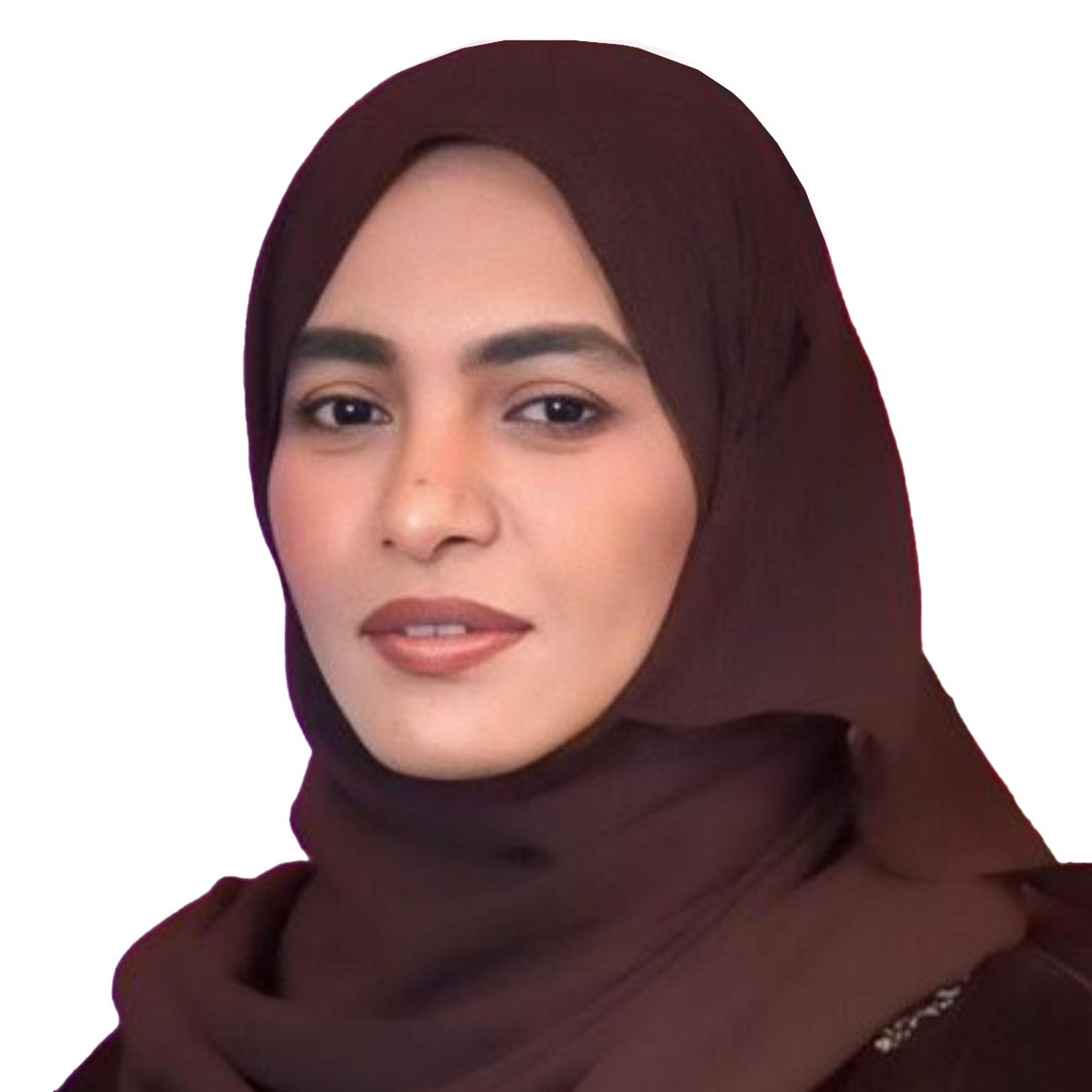
Dr. Nadia Al Hashmi
Oman
Consultant in Medical and Biochemical Genetics and Senior Pediatric Consultant at the Royal Hospital, Oman. fellowship in Medical Genetics and Metabolic Disorders at King Faisal Specialist Hospital and Research Centre, Riyadh, Saudi Arabia,
Read More / Less
She graduated from Sultan Qaboos University College of Medicine in 2001, obtained MRCPCH in 2006, and completed the Oman Medical Specialty Board in Pediatrics in 2007. She subsequently completed a three-year fellowship in Medical Genetics and Metabolic Disorders at King Faisal Specialist Hospital and Research Centre, Riyadh, Saudi Arabia, where she was recognized as the outstanding fellow in her cohort.
With more than 15 years of experience in clinical and biochemical genetics, Dr Al Hashmi has played a key role in the development of genetic and metabolic medicine in Oman. Her clinical expertise includes mitochondrial disorders, lysosomal storage diseases, inherited metabolic disorders, complex dysmorphology, and genomic diagnosis. She has contributed to the diagnosis and management of more than 100 patients with mitochondrial disorders and over 100 patients with lysosomal storage diseases, including patients receiving enzyme replacement therapy.
Her particular interests include prenatal diagnosis, fetal genomic medicine, and complex fetal anomalies. She was instrumental in establishing preimplantation genetic testing services in Oman in 2017, supporting more than 300 families affected by inherited disorders.
Dr Al Hashmi is actively involved in the development of national genetic services, including newborn screening, genomic diagnostics, rare disease care, and multidisciplinary metabolic services. She is also involved in medical education, fellowship training, research, and professional development. She has authored more than 34 peer-reviewed publications in clinical and biochemical genetics and continues to contribute to advancing genomic medicine and precision healthcare in Oman and the region.

Prof. Nadia M. Hamdy
Egypt
Prof. of Pharmaceutical Clinical Biochemistry and Molecular Biology, Faculty of Pharmacy, ASU. Member in projects funded by NIH/AHA, European PRIMA, Erasmus+, ASRT-Egypt, STDF-Egypt, STDF-Germany, Higher Ministry of Education Egypt, ASU, 2004-till-now.
Read More / Less
She has 155+ publications, 15 book-chapters, Scopus h-index 55 and 45 supervised Masters’ and Ph.D.’s, one of the world’s 2% influencing Scientists. Dr. Nadia earned Obada International Prize for the Most Infleuncal Arab Scientist, 5 Beyond Sciences Initiative international conference by Harvard University honorary awards, Ain Shams University Appreciation award in Technological Sciences 2024, ASRT Dr Shawky el-Hadad state award in cancer 2023, ASU first “Best Scientific Project Research Topic” 2021 & Honored by WOE 2020 to 2023 yearly.
Fellow of GBD, MHE Egypt, ASU, ASRT-Egypt & member of the editorial board of 10 Scopus Q1 & Q2 journals and reviewer for hundereds of international and regional grants, awards, and scientific journals.
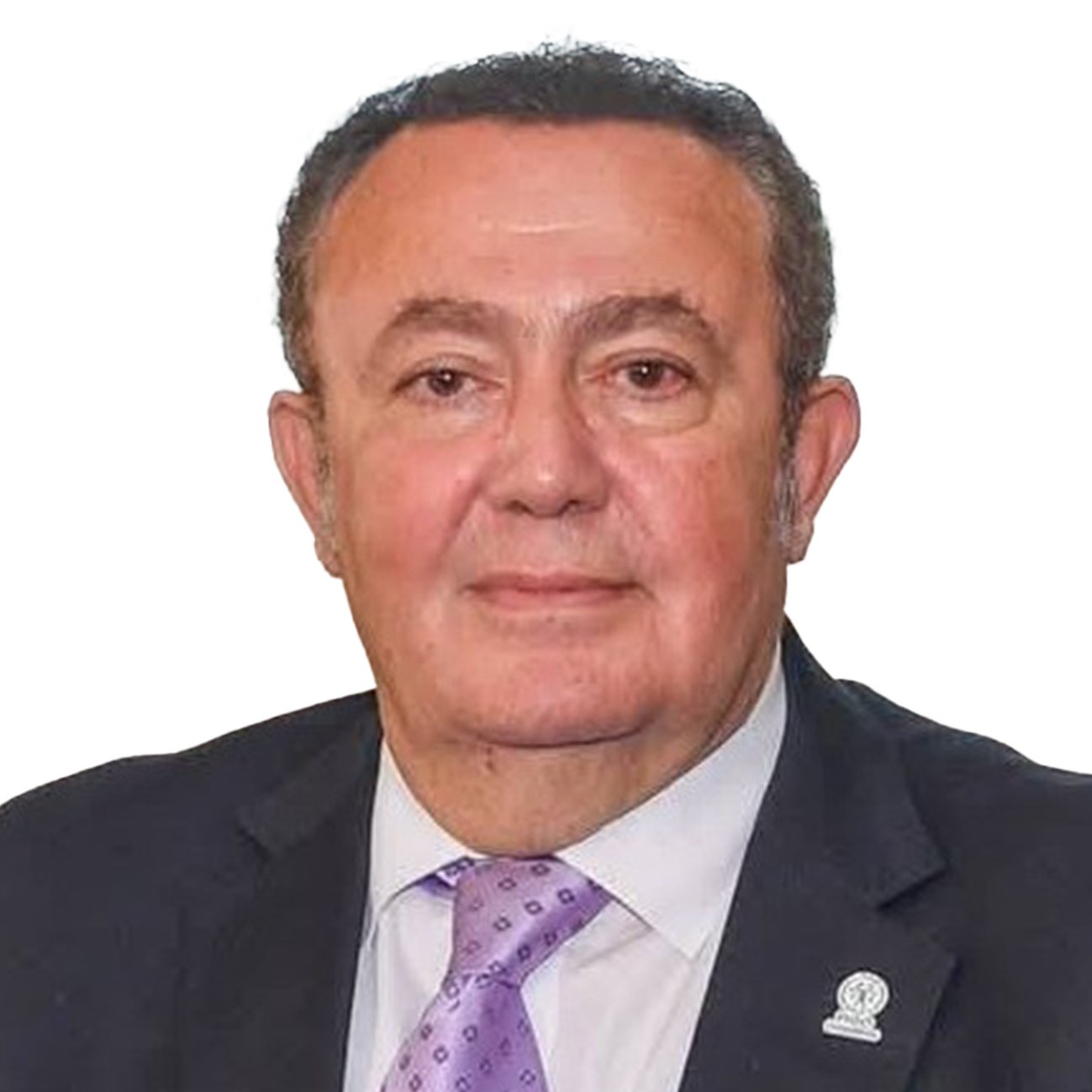
Prof. Nasser El Kholy
Egypt
Professor of obstetrics and gynecology, Ain Shams University hospitals. Fellow of Leeds University for IVF and ICSI. Fellow of Johns Hopkins University International Maternal Health. Advisor United Nations. Member of the European Society of Aesthetic Gynecology
Read More / Less
He has over 25 years of broad-based experience—most of it at the international level—practicing, training, and managing health programs. He possesses extensive expertise in the planning, implementation, and evaluation of multidisciplinary public health programs across developing countries, specializing in family planning, reproductive health, maternal and child health, STIs, HIV, breastfeeding, health reform, and family medicine. His training experience also extends to Continuing Medical Education (CME) programs for physicians and nurses, where he has served as a Senior Technical Adviser for numerous initiatives.
He has demonstrated strong skills in strategic and program planning, alongside hands-on experience in development projects related to civil society support and institutional strengthening. Furthermore, he brings extensive experience in designing and applying qualitative and quantitative monitoring and evaluation (M&E) systems, complemented by a deep familiarity with USAID reporting requirements through more than 20 years of work on USAID-funded programs.
His areas of expertise encompass NGO grant management, public health, reproductive health, family planning, maternal and child health—including polio eradication programs—rehabilitation, health reform, and overall project management.
He has worked across global programs with extensive international experience spanning five continents and six regions, including providing direct technical assistance to Nepal, Cambodia, Peru, and India, as well as 26 countries across South Asia, Southeast Asia, and Oceania.
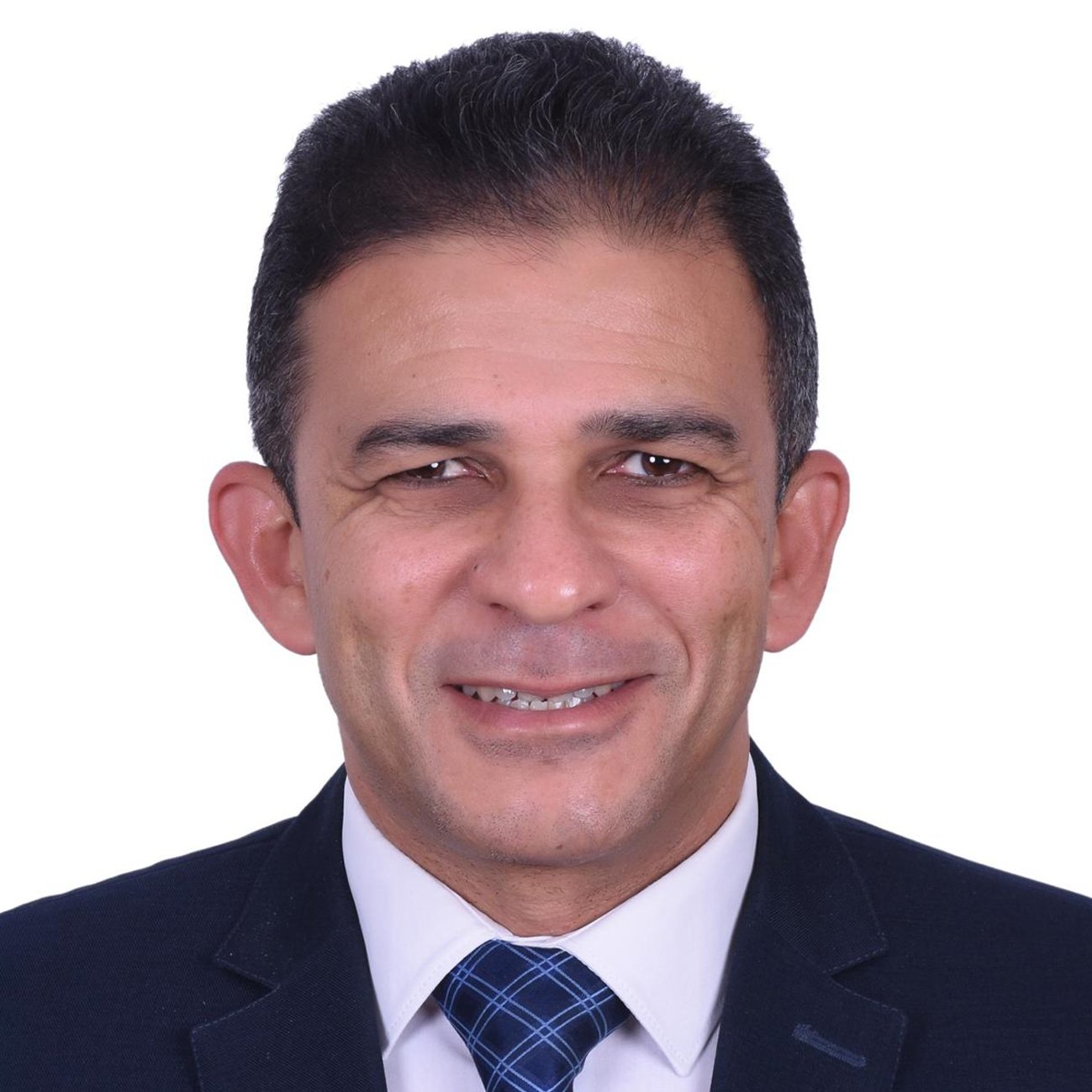
Prof. Ramy K. Aziz
Egypt
Professor Ramy K. Aziz is a professor at the Department of Microbiology and Immunology, Faculty of Pharmacy, Cairo University—which he chaired from 2016–2021, and the head of MARC Bioscience Research Laboratories in Giza, Egypt.
Read More / Less
From 2021–2024, he has directed the Microbiology and Immunology Research Programme at the Children’s Cancer Hospital of Egypt. An expert in genomics and bioinformatics, with more than two decades of work in microbial pathogenesis, genomics, microbiome research, phage biology, and public-health microbiology, he has held academic, advisory, and leadership positions in United States and Egypt. He pioneered the field of pharmacomicrobiomics, a discipline that studies drug-microbiome interactions. Academically, he published more than 120 peer-reviewed articles, a book, and nine book sections. Additionally, he maintains two bioinformatics databases, and dedicates time for science communication and transformative education through a few blogs and two YouTube channels. His work has been nationally and internationally acknowledged through awards from TWAS, COMSTECH, and Shoman Awards. He is ranked among the 1% most productive authors in the SCOPUS database (based on c-score and Scopus H-index of 47). He is a fellow of The World Academy of Sciences (TWAS), a member of International Committee for Taxonomy of Viruses (ICTV), and a member of the International Advisory Board for UNESCO’s International Basic Sciences Programme (IBSP).
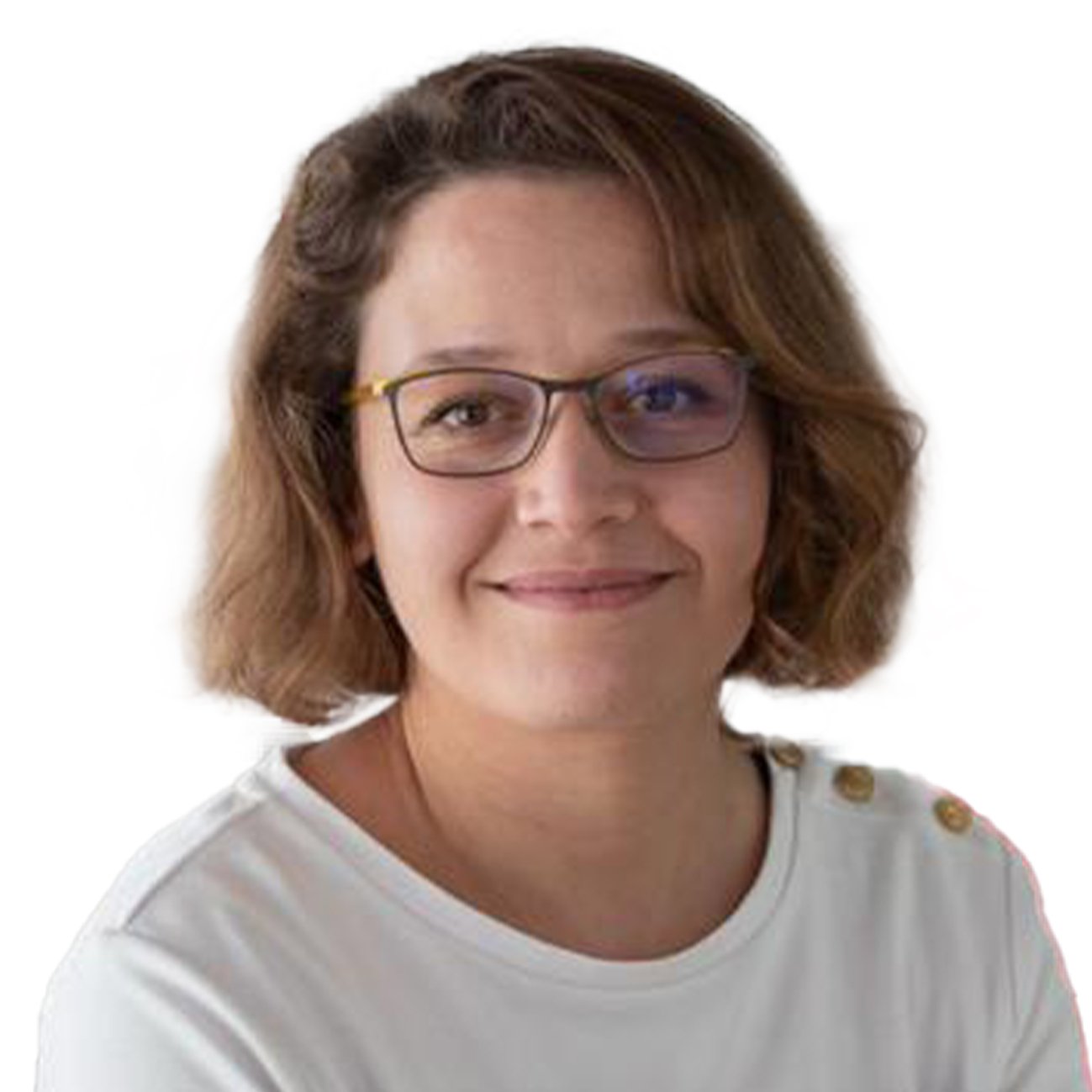
Dr. Radja Messai Badji
Qatar
Dr. Radja Messai Badji is Director of Translational Medicine at the Qatar Precision Health Institute (QPHI), Qatar Foundation. Her work focuses on translating genomic and population-health evidence into practical, participant-facing and clinically implementable pathways
Read More / Less
She leads multidisciplinary programs spanning return of actionable genetic findings, pharmacogenomics, translational genomics, implementation science, and the development of evidence-to-adoption models for precision health.
With a background spanning computer engineering, biomedical informatics, genomics, clinical research, and implementation science, Dr. Radja brings a systems-oriented approach to bridging scientific discovery with real-world delivery. Over nearly a decade within Qatar’s national genomics ecosystem, she has contributed to the development and operation of large-scale genomic programs and to building the workflows, governance, laboratory interfaces, clinical partnerships, and performance frameworks required for responsible implementation. Her current focus is on developing scalable models that enable genomic discoveries to generate measurable value for participants, healthcare systems, and population health.
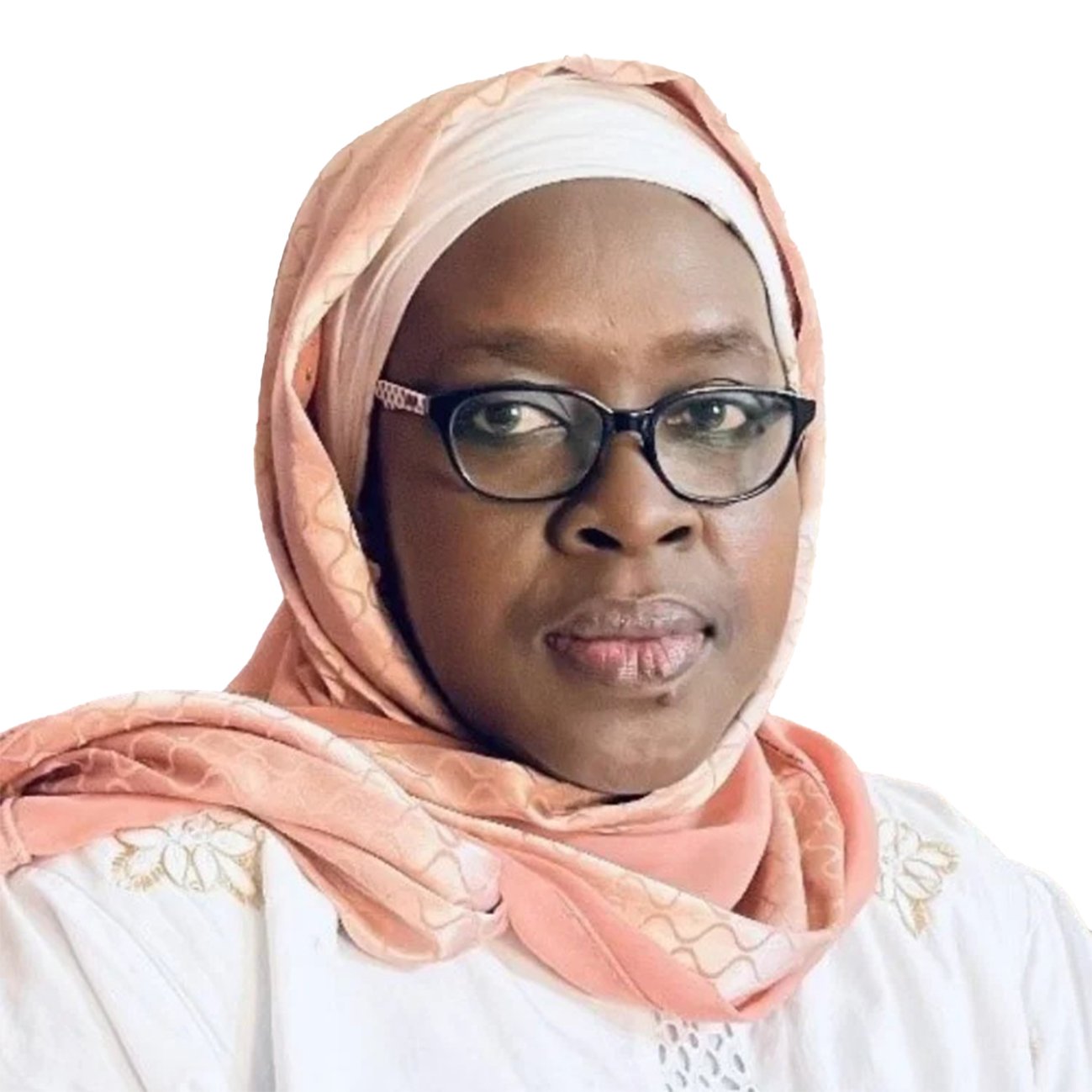
Prof. Rokhaya Ndiaye
Senegal
Professor Rokhaya Ndiaye is a Molecular Geneticist at the Faculty of Medicine, Pharmacy and Odonto-stomatology at University Cheikh Anta Diop, Senegal. She completed her basic training in Pharmacy at University Cheikh Anta Diop.
Read More / Less
She obtained her Master’s and PhD degrees in Human Genetics at Paris 7 University in France. Prof. NDIAYE’s research interests focused on the role of genetic variation in cancer predisposition with a focus on breast/ovarian and oral cancers. She is also interested in unravelling the genetic diversity of the West African population. She is the principal investigator of the SEN-GENOME project, aiming to establish a Senegalese reference genome and pave the way for precision medicine implementation in Senegal. She is the current President of the Senegalese Society of Human Genetics (S2GH), member of the Executive Committee of the African Society of Human Genetics (AfSHG). She is a fellow of the West African Postgraduate College of Pharmacy and has been awarded the Human Genome Organisation (HUGO) African Prize 2026.
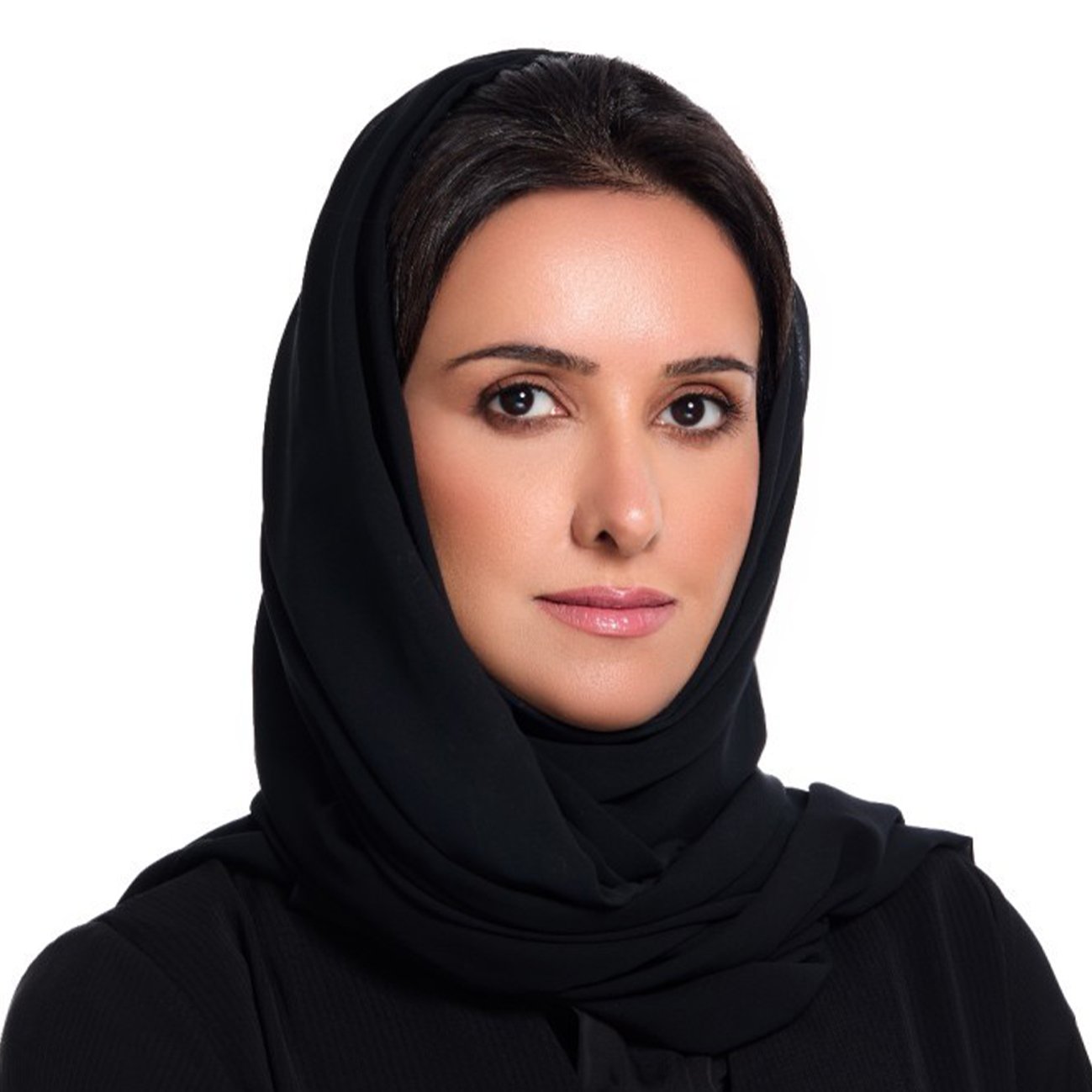
Dr. Wadha Al Muftah
Qatar
A physician-scientist and healthcare executive with over 17 years’ experience leading national-scale precision medicine and genomics initiatives. She is a founding leader of the Qatar Genome Programme and currently serves as Chief Medical Officer at the Qatar Precision Health Institute.
Read More / Less
Her work focuses on integrating genomics into clinical care and delivering population-level impact aligned with national health priorities.
Her work spans clinical implementation of genomics, pharmacogenomics, return of actionable genomic findings, population screening, and the development of frameworks that bridge research, policy, and healthcare delivery. She works closely with national and international partners to advance the responsible and equitable integration of precision health into healthcare systems.
Dr Al Muftah has extensive experience in building and scaling complex, multi-stakeholder programmes and brings deep knowledge of healthcare systems, policy and implementation. She is recognized for her leadership in advancing precision medicine in Qatar and the region.

Prof. Noor A. Shaik
Saudi Arabia
Professor Noor A. Shaik is a distinguished Professor of Genetic Medicine and Bioinformatics at King Abdulaziz University (KAU), with over 18 years of expertise in genomics, AI research, and clinical diagnostics.
Read More / Less
Holding a Ph.D. in Human Genetics from Osmania University and an MBA in Management, he is a certified Medical Genetic Counselor (AMBGCI) and Fellow of Biotechnology and Pharmacy. Dr. Shaik has authored 113 peer-reviewed articles, 16 book chapters, and 3 bioinformatics books, with an H-index of 25 and over 2,000 citations. As a principal investigator, he has secured 24 competitive grants, fostering collaborations across the UK, Canada, China, and the USA. His leadership extends to academic mentorship, quality assurance committees, and innovative research in familial hypercholesterolemia, cancer genomics, and rare genetic disorders. Recognized with multiple awards, including the Distinct Scientific Study Award, Dr. Shaik is an active member of global genetics societies and a passionate advocate for advancing precision medicine through interdisciplinary research.

Prof. Ramy K. Aziz
Egypt
Professor at the Department of Microbiology and Immunology, Faculty of Pharmacy, Cairo University, which he chaired from 2016-2021. He is currently the head of M.A.R.C. Bioscience Laboratories, a research center in Giza, Egypt.
Read More / Less
Dr. Aziz received his PhD in Microbiology and Immunology from the University of Tennessee, Health Science Center in Memphis TN, and has performed postdoctoral research at the University of Chicago, San Diego State University, and the University of California San Diego (2008-2013). From 2021-2024, he directed the Microbiology and Immunology research program at the Children’s Cancer Hospital of Egypt. His research interests span several areas of microbiology and immunology, microbial pathogen and phage genomics, microbiome research, and pharmacomicrobiomics (drug-microbiome interactions). Since 2001, he has published > 120 peer-reviewed articles, a book, nine book sections, and he maintains the PharmacoMicrobiomics databases. His research work has been nationally and internationally acknowledged through several awards, including the TWAS, COMSTECH, and Shoman Awards.

Prof. Rokhaya Ndiaye
Senegal
Prof. Rokhaya NDIAYE is Professor of Human Genetics, holding the Chair of Human Genetics at the Faculty of Medicine, Pharmacy and Odonto-stomatology at Cheikh Anta Diop University, Senegal.
Read More / Less
She completed her basic training in Pharmacy at Cheikh Anta Diop University and obtained Master’s and PhD degrees in Human Genetics at Paris 7 University in France.
She is the current President of the Senegalese Society of Human Genetics (S2GH), member of the Executive Committee of the African Society of Human Genetics (AfSHG). She is a WHO expert, member of the Technical Advisory Group on Genomics. She is also a fellow of the West African Postgraduate College of Pharmacy.
Prof. NDIAYE’s research interests focused on the role of genetic variation in cancer predisposition with a focus on breast/ovarian and oral cancers. She is also interested in unravelling the genetic diversity of the West African population to pave the way for the implementation of personalized medicine in the near future. She is the principal investigator of the SEN-GENOME project, which aim is to establish a Senegalese reference genome.

Prof. Sameh Ali
USA / Egypt
Dr. Sameh Ali is currently the Tumor Biology Research Unit Head at 57357 Children’s Cancer Hospital and was the Founding Director of the Center for Aging and Associated Diseases, Zewail City of Science and Technology.
Read More / Less
Dr. Ali obtained his M.Sc. and Ph.D. Degrees from Tohoku University (ranked # 70 on the world). He spent 3 years as a postdoctoral fellow in the Technical University, Graz (ranked in the top 300, 2017) and Washington University in St. Louis (ranked # 18, 2017).
He returned to Egypt from the University of California in San Diego (ranked in the top 20, 2017) June 2012 to participate in the establishment of Zewail City.
His work produced over 70 highly cited articles in high-impact journals including Science, Proceedings of the National Academy of Sciences, etc. His work also contributed to the production of four U.S. Patents.
Dr. Ali acts as an Executive Editor, Editor, and regular reviewer for tens of internationally reputed journals.
He is a member in several national committees including the Egyptian Genome and Biochemistry and Molecular Biology.

Prof. S. Adam
USA
Prof. S. Adam is an Associate Professor of Medicine, hematologist in Durham, North Carolina and is affiliated with Duke University Hospital. She currently works at the Department of Medicine, Duke University Medical Center.
Read More / Less
She received her medical degree from Cairo University School of Medicine and has been in practice for more than 20 years.
She is a Fellow, MEDICINE – University of North Carolina, Chapel Hill, School of Medicine.
Prof. Adam currently works at the Department of Medicine, Duke University Medical Center. She does research in Hematology. Her most recent publication is ‘iPSC modelling of severe aplastic anemia reveals impaired differentiation and telomere shortening in blood progenitors’.
Member of the American Society of Hematology
Member of the North Carolina Medical Society
Member of the Royal College of Pathologists, London, UK
Member of the Durham/Orange County Medical Society

Prof. Solomon Fiifi Ofori
USA
Solomon Ofori is a Ghanaian native. He is the Calvin Smyre Endowed Chair, Georgia Research Alliance Eminent Scholar, Director of the Georgia Solve Sickle Cell Initiative at Emory University, Children’s Healthcare of Atlanta and Morehouse School of Medicine.
Read More / Less
He is a member of the NHLBI Advisory Council in the US.
He developed the first animal model of the acute chest syndrome of sickle cell disease (SCD). He is Founding Director of the West African Genetic Medicine Centre, Director of the SCD genomics of Africa network of the H3Africa consortium and Director of the Ghanaian Genome project, which is focused on developing graduate genetics training programs and genetic health professions in Ghana, public lectures and public health screening for genetic disorders in Ghana and West Africa. He is conducting genome-wide association study (GWAS) in SCD and the first population DNA sequencing project in Ghana currently focused on 1,000 children with SCD.

Prof. Wael El-Rifai
USA / Egypt
Dr. Wael El-Rifai received his Medical Degree from Ain Shams University, Egypt. He started his career in Egypt as a researcher in the Department of Human Genetics at the National Research Center in Cairo.
Read More / Less
He moved to Finland in 1993 where he earned a Ph.D. degree in Cancer Genetics from the University of Helsinki and became an Assistant Professor in 1998. Dr. El-Rifai relocated to the University of Virginia in the United States in 2000 where he was Associate Professor and Director of Gastrointestinal Oncology Research. In 2005, he was recruited to Vanderbilt University as a Professor and Director of Surgical Oncology Research. In 2017, Dr. El-Rifai moved to Miami where he is a Professor in the Department of Surgery at the University of Miami Leonard M. Miller School of Medicine. He is also the Associate Director of the Sylvester Comprehensive Cancer Center. He holds the John and Judy Schulte Senior Endowed Chair in Cancer Research. Dr. El-Rifai is an elected fellow of the American Association for Advances in Science. He is the principal investigator on several National Cancer Institute grants and has published more than 230 papers. Dr. El-Rifai’s laboratory provides unique training experiences in diverse areas of cancer research that include molecular mechanisms of tumorigenesis, drug resistance, and targeted therapy. His research utilizes functional and translational oncogenomic approaches in upper gastrointestinal carcinomas. Dr. El-Rifai’s research investigates the roles of infection, inflammation and oxidative stress in tumorigenesis for the development of therapeutic approaches that target molecular and redox vulnerabilities in cancer cells.

Prof. Hesham F. Kayed
Conference President
Hesham F Kayed MSc, PhD Professor of Cytogenetics, Dean of Human Genetics and Genome Research Institute (HGGRI), National Research Centre (NRC).
Read More / Less
Prof. Kayed started his research career in Human Genetics Dept., National Research Centre (NRC), and progressed through the posts until he became a professor, then head of the Human Cytogenetics Dept. department, vice Dean of the institute (HGGRI), and finally Dean of the Dean of Human Genetics and Genome Research Institute (HGGRI).
He gained his experience in cytogenetics and molecular cytogenetics in HGGRI), National Research Centre (NRC) and Institut Gustave Roussy Paris-France.
He published 40 articles in national and international journals in the fields of cytogenetics, molecular cytogenetics, cancer cytogenetics and. reproductive genetics.

Prof. Ghada Elkamah
Conference General Secretary
Ghada El-Kamah MBBCh, MSc, PhD Professor of Clinical Genetics, coordinator of The Hereditary Blood Disorders (HBD) and Genodermatoses clinics and research team, Human Genetics and Genome Research Institute (HGGRI), National Research Centre (NRC).
Read More / Less
She is mainly involved in the study of medical genetics with focus on inherited rare disorders, dysmorphology, community genetics, science management and genetic education. She received her clinical training at the HGGRI, NRC, training in molecular diagnostic techniques (NRC & Gaslini hospital, Genova, Italy), tissue engineering (Neuss, Germany) and in health research ethics at the NRC. Professor El-Kamah is the founder of the Genetics of Hereditary Blood Disorders (HBD) and Genodermatoses as specialties in the HGGRI. She is the former secretary general of the genetics promotion committee, head of the Clinical Genetics department and HBD Research Team in the Centre of Scientific Excellence of Human Genetics, NRC, ethical coordinator between HGGRI and NRC-IRB and head of scientific and cultural relations committee of the HGGRI. She is also involved in training activities and capacity building in the field of human genetics. She is currently board member of the Executive Committees of; the National Strategic Programs for Biotechnology and Genetic Engineering in the ASRT in Egypt, the African Society of Human Genetics, Arab Association for Genetic Research (AAGR), the Egyptian Committee for Pathology Training (ECPT)-Genetics. El-Kamah is representing Egypt at the Global Globin Network (GGN), Human Variome Project (HVP) and served as expert member of the Genodermatoses Network Scientific Committee, from 2000-2018. Her research interests are reflected in peer-reviewed publications, as well as 30 national and international research grants concerned with clinical, diagnostics, educational, and ethical aspects of human genetics.

Prof. Yehia Z. Gad
Scientific Committee Advisor
Emeritus Prof. of Molecular Genetics, NRC. He graduated from the Faculty of Medicine, Cairo University in 1979. He got M. Sc. And M.D. degrees in Pediatrics from the same Faculty in 1983 and 1992, respectively.
Read More / Less
He started his research career as a fellow in Human Genetics Dept., National Research Centre (NRC) in 1981 then was promoted along the years up to the post of Professor of Molecular Genetics in 2003. He is a fellow of Johns Hopkins University and Albert Einstein College of Medicine, USA. He published 42 articles in national and international journals in the fields of molecular genetics, genomics, endocrinology and paleobiology. He is a PI of several national and international projects. He is currently an Emeritus Prof. of Molecular Genetics in the NRC and the Scientific Supervisor of the ancient DNA lab at the National Museum of Egyptian Civilization.

Prof. Ekram Fateen
Head of Abstract Review Board
Professor of Biochemical Genetics (2000 till now). Former Vice President and Dean of the Human Genetics and Genome Research Institute (2006 – 2010)
Read More / Less
Founder of Biochemical Genetics Department (2003).
Founder & Head of Enzyme Replacement Unit (2014 till now
Former Vice President of the National Research Centre (2010 – 2014)
Member of the National Committee for for Genetic Sciences (2016 till now )
President of the National Committee for Genetic Sciences (2018 – 2022)

Prof. Khaled R. Gaber
Scientific Committee Advisor
Khaled R Gaber, Professor of Prenatal Diagnosis, is the founder and former Head of the first integrated prenatal diagnosis and fetal medicine department in NRC and Egypt (2003-2021).
Read More / Less
In addition, he established Outpatient clinics, for Maternal-Fetal care and recurrent pregnancy loss. The researches performed in the department include clinical, ultrasonographic and cytogenetic in addition to biochemical and molecular studies. Prof. Gaber had his basic education at the Peres Jesuites School and graduated from Faculty of Medicine Cairo University (1981). He obtained his MSc Degree from Cairo University in Obstetrics and Gynecology and his Ph.D. Degree in Human Genetics from Alexandria University. He got his experience in the field of prenatal diagnosis during his stay in Germany (Ulm University). He has over 60 peer-reviewed publications in national and international journals, supervised and reviewed over 50 M.Sc. and Ph.D. theses in his field. In addition to his contribution in over 25 projects either as a principle or participant investigator.